
Mushroom & Psychedelic Guides
Psilocybin Mushrooms Explained: What Beginners Should Know
Aug
Introduction
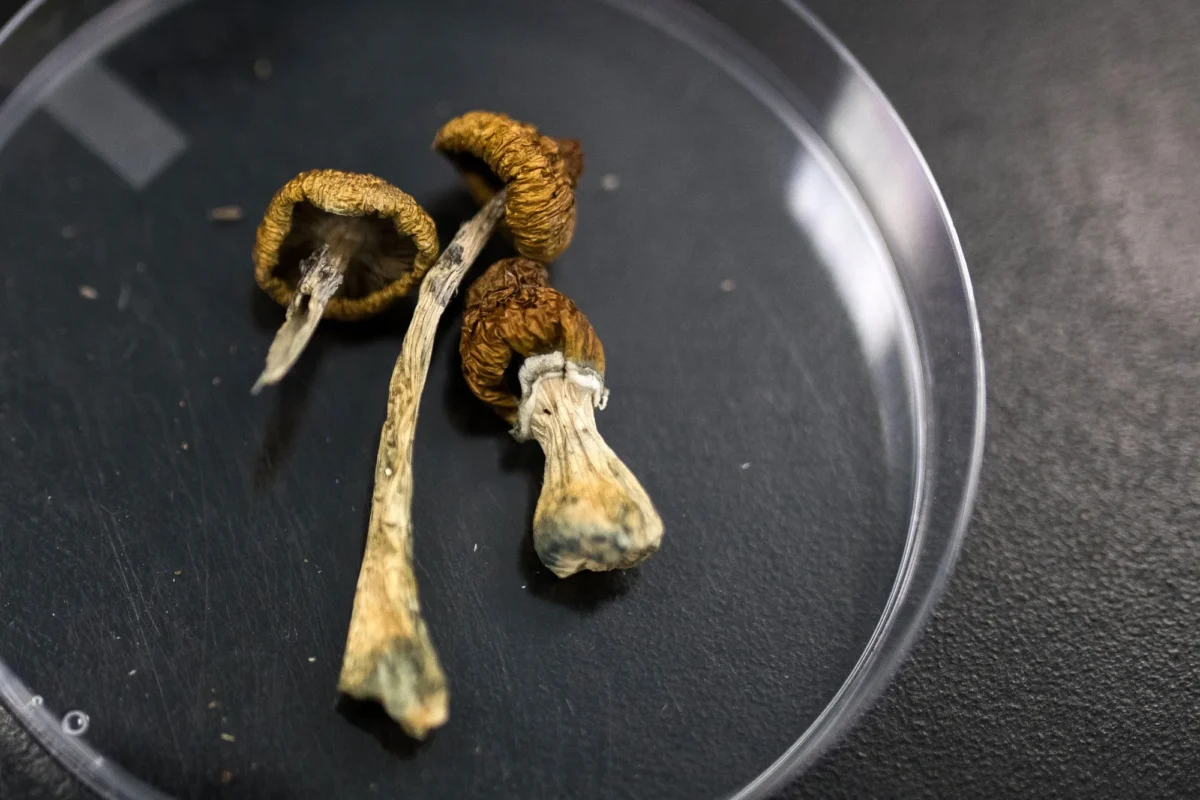
Psilocybin mushrooms are a group of fungi that contain the naturally occurring compounds psilocybin and psilocin. They are commonly known as magic mushrooms or psychedelic mushrooms.
These mushrooms have attracted attention for centuries. Today, they are also being studied in modern scientific and clinical research.
However, psilocybin mushrooms should not be treated like ordinary edible mushrooms. Species can look similar, legal rules can vary by location, and individual responses can differ.
This guide explains the basics of psilocybin mushrooms. It covers their active compounds, common species, identification, safety, and legal considerations.
What Are Psilocybin Mushrooms?
Psilocybin mushrooms are fungi that naturally contain psilocybin. The body converts psilocybin into psilocin after ingestion. Psilocin interacts with serotonin receptors in the brain and is associated with psychedelic effects.
More than one mushroom species can contain psilocybin. They belong to several genera, although species in the Psilocybe genus are among the best-known.
The term “magic mushrooms” is often used as a general name for mushrooms that contain psilocybin or related psychoactive compounds.
It is important to remember that not every mushroom with a similar appearance contains psilocybin. Some poisonous species can also look similar to certain psychedelic mushrooms.
Psilocybin and Psilocin
Psilocybin and psilocin are closely related compounds, but they play different roles.
What Is Psilocybin?
Psilocybin is the primary compound found in many psilocybin mushroom species. After it enters the body, it is converted into psilocin.
What Is Psilocin?
Psilocin is the compound that produces much of the psychedelic activity associated with psilocybin mushrooms. It interacts with several serotonin receptors in the brain.
Research into these compounds continues to develop. Scientists are studying their effects, potential therapeutic applications, risks, and limitations.
Because research is still evolving, online claims about psilocybin should be viewed carefully. Reliable information should come from reputable scientific, medical, or regulatory sources.
How Psilocybin Mushrooms Differ From Other Mushrooms
Mushrooms come in many forms. Some are used as food, while others are studied for nutritional, medicinal, or psychoactive properties.
Psilocybin mushrooms differ because they contain compounds that can produce psychedelic effects.
Functional mushrooms provide another useful comparison. Species such as Lion’s Mane, Reishi, Cordyceps, and Turkey Tail are commonly discussed in the functional mushroom category. They do not contain psilocybin simply because they are mushrooms.
Appearance alone also cannot reliably determine whether a mushroom contains psilocybin. Accurate identification requires knowledge of the species and its characteristics.
Common Psilocybin Mushroom Species
Several mushroom species are known to contain psilocybin. Their appearance, habitat, distribution, and chemical composition can vary.
Psilocybe cubensis
Psilocybe cubensis is one of the best-known psilocybin mushroom species. It has become particularly well known through cultivation and mushroom culture.
Numerous named varieties and cultivars are associated with this species. However, names used by sellers or hobbyists do not always represent formal scientific classifications.
Psilocybe semilanceata
Psilocybe semilanceata, commonly known as the liberty cap, is another well-known psilocybin-containing species.
It has been documented in several regions and is associated with grassland habitats.
Psilocybe cyanescens
Psilocybe cyanescens is known for its distinctive appearance and occurrence in certain outdoor environments.
Its identification can be challenging, especially for people without experience in mushroom taxonomy.
Psilocybe azurescens
Psilocybe azurescens is another recognized psilocybin-containing species. It has been documented primarily in parts of the Pacific Northwest.
These examples represent only a portion of the known psilocybin-containing fungi.
How Psilocybin Content Can Vary
One important point about psilocybin mushrooms is that their chemical composition can vary.
Differences may occur between:
- Species
- Individual mushrooms
- Growing conditions
- Genetics
- Age
- Storage conditions
- Different parts of a mushroom
As a result, appearance alone cannot be used to determine the concentration of psilocybin or other compounds.
For the same reason, online claims that assign an exact potency to a mushroom based only on its name or appearance should be treated cautiously.
Why Identification Matters
Correct mushroom identification is extremely important.
Some poisonous mushrooms can resemble species that contain psilocybin. A mistake can therefore have serious consequences.
Several characteristics can be considered during scientific mushroom identification, including:
- Cap shape
- Cap color
- Stem characteristics
- Gills
- Spore characteristics
- Habitat
- Geographic distribution
- Microscopic features
However, photographs alone may not provide enough information for a reliable identification.
For that reason, unidentified wild mushrooms should never be consumed based solely on an online image, name, or social media post.
Safety and Responsible Information
Psilocybin mushrooms can produce significant changes in perception, mood, thinking, and sensory experiences. Responses can vary between individuals.
Several factors can influence the experience, including the mushroom species, individual sensitivity, environment, other substances, and personal circumstances.
People should also be aware that psilocybin can interact with certain medications and may not be appropriate for everyone.
This article is intended for education. It does not provide a personalized medical recommendation or instructions for consuming psilocybin mushrooms.
If you have questions about potential health risks or medication interactions, speak with a qualified healthcare professional.
Keep Mushroom Products Secure
Mushroom products should be kept away from children and pets. Products containing psychoactive ingredients should also be stored securely and handled according to applicable laws and safety requirements.
Legal Considerations
The legal status of psilocybin mushrooms varies considerably around the world.
Some jurisdictions prohibit possession, cultivation, sale, or distribution. Others have introduced limited decriminalization policies, regulated programs, or research exemptions.
These rules can also change over time.
Therefore, never assume that psilocybin mushrooms are legal simply because they are available online or discussed publicly.
Before purchasing, possessing, transporting, or cultivating a psilocybin-containing product, check the current laws that apply to your location.
Why Psilocybin Research Matters
Interest in psilocybin has increased within the scientific community. Researchers continue to investigate its effects and potential applications.
Modern research has examined areas such as mental health, brain function, perception, and psychedelic-assisted therapy.
However, research findings should not be confused with guaranteed outcomes. A scientific study does not mean that a product is suitable for everyone.
As research continues, new evidence may improve our understanding of both the potential benefits and the risks associated with psilocybin.
Frequently Asked Questions
What are psilocybin mushrooms?
Psilocybin mushrooms are fungi that naturally contain psilocybin. They are also commonly called magic mushrooms or psychedelic mushrooms.
What is psilocybin?
Psilocybin is a naturally occurring psychedelic compound found in certain mushroom species. The body converts it into psilocin.
What is psilocin?
Psilocin is the active compound produced when the body metabolizes psilocybin. It interacts with serotonin receptors in the brain.
Are all mushrooms psychedelic?
No. Most mushrooms do not contain psilocybin. Many species are culinary, medicinal, functional, or otherwise non-psychoactive.
What are the most well-known psilocybin mushrooms?
Some recognized species include Psilocybe cubensis, Psilocybe semilanceata, Psilocybe cyanescens, and Psilocybe azurescens.
Can you identify a magic mushroom from a photograph?
A photograph may provide useful clues, but it usually cannot guarantee accurate identification. Some poisonous mushrooms can look similar to psychoactive species.
Does every psilocybin mushroom contain the same amount of psilocybin?
No. Psilocybin content can vary between species, individual mushrooms, genetics, growing conditions, and other factors.
Are psilocybin mushrooms legal?
Their legal status depends on the country, state, or region. Laws can also change, so current local regulations should always be checked.
Are psilocybin mushrooms the same as functional mushrooms?
No. Functional mushrooms and psilocybin mushrooms belong to different categories. Functional mushrooms such as Lion’s Mane and Reishi do not contain psilocybin simply because they are mushrooms.
Why is mushroom identification important?
Some poisonous mushrooms can resemble psilocybin-containing species. Incorrect identification can therefore create serious health risks.
Final Thoughts
Psilocybin mushrooms are a fascinating area of mushroom science and psychedelic research. They contain naturally occurring compounds that can produce significant psychedelic effects.
However, these mushrooms should be approached with accurate information and caution. Species can differ, chemical content can vary, and identification can be difficult.
Legal rules also differ between locations. Therefore, anyone researching psilocybin mushrooms should review reliable scientific information, product labels, and current local regulations.
TrippyVault aims to make mushroom education easier to understand. Explore our other guides to learn more about mushroom species, product information, storage, history, and psychedelic research.
CTA — Read more mushroom education guides on TrippyVault.

Trippy Vault Team
The Trippy Vault Editorial Team is a collective of researchers, cultivators, and advocates committed to the highest standards of psychedelic safety. From sourcing pharmacy-grade MDMA to refining the perfect DMT distillate, our team works behind the scenes to ensure that every product—and every blog post—is backed by science and soul. We believe in transparency, discretion, and the pursuit of higher consciousness.